


By eight o’clock on a warm Saturday, Belmont is already awake. A few families are heading towards Lake Macquarie with paddleboards strapped to the roof, someone is rinsing yesterday’s fishing gear in the driveway, and the smell of coffee drifts across quiet streets lined with brick homes and flowering gums. Before anyone thinks about taps, pipes or drains, residential plumbing has already done the hard work. It has filled kettles, powered showers, flushed toilets and supplied enough water to get another busy weekend underway.
That quiet reliability is exactly why plumbing is easy to forget. Unlike a cracked roof tile or a noisy garage door, most plumbing problems stay hidden. They don’t demand attention straight away. Instead, they appear as small changes that are easy to explain away. The shower takes a little longer to warm up. The kitchen sink empties more slowly after a family barbecue. The laundry smells damp even though nothing looks wet. Life carries on, so those signs are often left for another day.
Belmont’s homes have their own personalities, shaped by decades of renovations, changing lifestyles and the suburb’s coastal climate. A renovated seventies brick home may still rely on original water lines beneath polished timber floors, while a new townhouse depends on pressure-regulated fittings and water-efficient fixtures. Looking after plumbing here is less about following a universal checklist and more about understanding how local living quietly influences every pipe, valve and connection.
How Residential Plumbing Shapes Homes
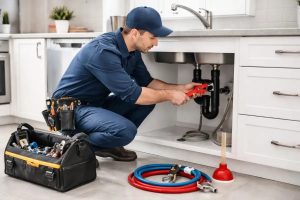
Plumbing Services
A home in Belmont rarely stays still. During summer, outdoor taps are almost as busy as kitchen sinks. Paddleboards are washed down after a morning on the lake, gardens receive extra watering during warmer weeks, and the washing machine seems to run constantly after beach trips, weekend sport and backyard gatherings.
Those routines tell you more about a home’s plumbing than its age ever could. Residential Plumbing responds to how people actually live, not simply to how long a house has been standing. A family home with teenagers might put far more pressure on the hot water system than a recently renovated duplex occupied by a couple who travel regularly. Likewise, a property with established gardens often places greater demand on outdoor plumbing than one with low-maintenance landscaping.
Rather than asking whether a house is old or new, local plumbers usually ask a different question: How does this household use water every day? The answer often explains why one home develops recurring plumbing issues while another on the same street continues performing reliably year after year.
What A Residential Plumber Belmont Notices
Every suburb develops its own plumbing patterns, and Belmont is no exception. Local experience matters because the same conditions recur. Mature gum trees shade many streets, seasonal downpours test outdoor drainage, and humid weather allows small leaks to stay hidden for longer than homeowners expect. Understanding these local conditions helps residential plumbing perform more reliably throughout the year.
A residential plumber Belmont doesn’t just arrive with tools. They arrive with context. A slow-draining backyard grate after heavy rain may point towards leaf build-up rather than a damaged pipe. Rust around an ageing hot water unit after winter could signal that the system is reaching the end of its reliable life. Even an outdoor tap that becomes stiff to turn often tells a story about years of steady use rather than sudden failure.
Instead of waiting until something breaks, experienced plumbers look for patterns such as:
- Outdoor drains that overflow only after storms.
- Water pressure dropping in one bathroom but nowhere else.
- Hot water running out earlier during cooler months.
- Damp soil that stays unusually green through dry weather.
- Toilet cisterns quietly refilling without being used.
Those observations help explain how residential plumbing changes over time, often months before an emergency call-out becomes necessary.
The Weekend Your Plumbing Works Hardest
Monday mornings are busy but predictable. Weekends tell a different story. Friends come over for lunch. The dishwasher runs twice instead of once. Children shower after sport, while someone else hoses mud off the dog outside. By late afternoon, another load of towels is in the washing machine after a swim or a day on the lake. Every one of those routines increases demand on the home’s plumbing system, yet few homeowners ever connect those habits with long-term maintenance.
Professional home plumbing services often uncover issues that develop during periods of heavier use rather than on ordinary weekdays. Instead of dramatic failures, they usually find gradual wear from everyday use.
| Weekend Routine Around Belmont | What It Means for Your Plumbing | Simple Habit |
| Washing boats or paddleboards after Lake Macquarie outings | Outdoor taps, hoses and fittings receive frequent use. | Check taps regularly for drips or loose fittings. |
| Hosting family barbecues or gatherings | Kitchen sinks and waste pipes handle heavier use. | Avoid pouring fats or food scraps down the sink. |
| Watering gardens during warmer months | Outdoor plumbing works harder and hidden leaks become easier to spot. | Inspect taps and exposed pipework for moisture. |
| Cooler winter mornings | Hot water systems experience greater demand. | Arrange hot water plumbing services before winter. |
| Storms and windy autumn weather | Leaves can block outdoor drainage points. | Clear debris regularly to reduce the risk of blocked drains residential properties commonly experience. |
Thinking about plumbing in everyday routines makes maintenance feel less like another household chore and more like part of caring for your home and how it supports your lifestyle.
Residential Plumbing Maintenance Changes With The Seasons
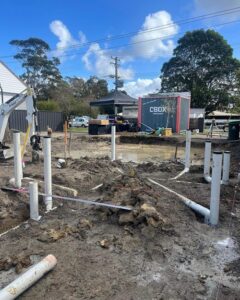
One reason plumbing advice often feels generic is that it treats every month the same. Belmont doesn’t. A humid January afternoon places very different demands on a home than a cold July morning. During summer, outdoor entertaining, irrigation and lake activities increase water use across the property. Autumn storms scatter leaves across driveways and into stormwater grates. It’s also the time when blocked drains residential properties commonly experience begin with leaf build-up rather than major pipe damage, especially in streets lined with mature gum trees.
That is why residential plumbing maintenance works best when it follows the seasons instead of the calendar.
- Clear surface drains after windy or stormy weather.
- Check outdoor taps before summer gardening begins.
- Arrange hot water plumbing services before winter.
- Keep an eye on quarterly water bills for unexplained increases.
- Inspect visible pipework after major weather events.
Homes that receive small amounts of attention throughout the year rarely need major interruptions later. In Belmont, where climate and lifestyle constantly influence how water is used, those simple habits often make the biggest difference.
Water-Efficient Plumbing Solutions Fit Modern Belmont
Belmont has changed noticeably over the last decade. Many homeowners are renovating rather than relocating, creating open-plan kitchens, updating bathrooms, and designing outdoor spaces that suit the way Australians live today. Those projects are often inspired by lifestyle, yet they also create an opportunity to rethink how water is used every day.
Replacing ageing fixtures with water-efficient plumbing solutions is no longer just about reducing environmental impact. It is also about making a home easier and more affordable to run. A family washing sandy towels after a day at Blacksmiths Beach or rinsing fishing gear from Lake Macquarie uses far more water than they might realise over a single weekend. Efficient tapware, modern shower heads and well-maintained hot water systems help manage that demand without sacrificing comfort.
The most successful upgrades are rarely the most expensive ones. When residential plumbing is assessed during a renovation rather than after a breakdown, homeowners can improve efficiency while preserving the character of older Belmont homes.
Licensed Residential Plumber Adds Long-Term Value
It is easy to admire polished tiles, fresh paint and new cabinetry, but the quality of a renovation is often decided by what cannot be seen. Pipes hidden behind walls, valves beneath sinks, and drainage beneath garden beds continue to work long after the renovation is complete.
That is why choosing a licensed residential plumber matters. Many Belmont properties have been updated in stages over several decades, meaning modern fixtures may still connect to older sections of plumbing. Understanding how those systems work together requires experience rather than guesswork.
Instead of focusing only on today’s repair, skilled plumbers consider how residential plumbing will perform over the next five or ten years. That approach reduces repeat call-outs and helps homeowners invest confidently in improvements that genuinely add value to the property.
In New South Wales, plumbing work should be carried out by a licensed professional and comply with the applicable requirements of the National Construction Code (NCC) and relevant Australian Standards to help ensure safety, compliance and long-term performance.
Small Signs Tell Bigger Stories
Most plumbing problems don’t begin with water pouring across the floor. They usually start with something so ordinary that it becomes part of the daily routine. The shower takes a little longer to warm up on a chilly Belmont morning. A kitchen sink empties more slowly after a weekend of entertaining. The quarterly water bill arrives slightly higher than expected, yet nothing around the house seems out of place.
A residential plumbing inspection helps uncover those hidden changes before they turn into expensive surprises. Local plumbers often find worn fittings, ageing pipe connections or early drainage issues that homeowners simply couldn’t have seen on their own. Addressing these concerns early often prevents larger plumbing repairs Belmont homeowners may otherwise face after months of unnoticed wear, while also avoiding unnecessary disruption to everyday life.
The goal isn’t to search for faults where none exist. It’s to understand how your home is ageing and to deal with small concerns while they are still simple to manage. By giving residential plumbing occasional professional attention, Belmont homeowners can enjoy greater peace of mind throughout every season instead of waiting for a preventable emergency to interrupt their routine.
Conclusion
Owning a home in Belmont means adapting to more than changing seasons. It means understanding how lakeside living, established neighbourhoods, modern renovations, and everyday family routines all influence how water moves through your property. Plumbing performs best when it is treated as part of the home’s ongoing story rather than something that only deserves attention after a failure.
If you’re looking for trusted local residential plumbing services in Belmont, contact PlumbLec AU today. Their experienced team is ready to help you keep your home’s plumbing performing reliably throughout every season.
Frequently Asked Questions
1. How often should Belmont homeowners arrange plumbing maintenance?
An annual plumbing check is a practical starting point for most Belmont homes. Regular Residential Plumbing maintenance helps identify developing issues before they become disruptive, especially in properties with older pipework, recent renovations or larger households.
2. Does Belmont’s climate affect plumbing systems?
Yes. Humid summers, regular rainfall and seasonal storms can influence outdoor drainage, moisture levels and hot water demand. These local conditions make Residential Plumbing maintenance more valuable than relying solely on reactive repairs.
3. What are the first signs that plumbing needs professional attention?
Small changes such as fluctuating water pressure, slow drains, damp areas, unusual toilet noises, inconsistent hot water or unexpected increases in water bills often indicate developing issues. Arranging leak repair Belmont homeowners can rely on as soon as these warning signs appear helps prevent water damage and more expensive repairs while keeping Residential Plumbing in good condition.
4. Why are outdoor plumbing checks important in Belmont?
Outdoor plumbing works harder than many homeowners realise. Garden watering, washing boats or sporting equipment and clearing stormwater after windy weather all place regular demand on taps, drains and external pipework, making Residential Plumbing inspections an important part of seasonal home maintenance.
5. Can preventative plumbing really save money?
Preventative maintenance often reduces the likelihood of major repairs because minor leaks, worn fittings and drainage issues are identified before they cause damage to flooring, cabinetry or surrounding structures. Looking after Residential Plumbing also improves water efficiency and helps avoid unexpected repair costs.
6. When should I call a plumber immediately?
If you experience a burst pipe, overflowing drain, sewage odour, complete loss of hot water or a major water leak, it’s best to contact an emergency residential plumber straight away. Prompt action protects Residential Plumbing, helps minimise property damage and restores your home’s plumbing system as safely and efficiently as possible.