Most people don’t wake up expecting a gas leak. They wake up thinking about getting the kids ready for school, grabbing a coffee before work, or opening their business for another busy day in Belmont. That’s exactly why gas leak detection matters. The first warning sign usually appears in the middle of an ordinary routine, long before anyone realises something is wrong.
Belmont has changed considerably over the past decade. Established family homes now sit beside modern builds, outdoor kitchens have become a popular feature, and more businesses rely on gas-powered equipment to keep daily operations moving. Whether it’s a restaurant preparing for breakfast service or a homeowner switching on the heater during a cold winter morning, reliable gas systems have quietly become part of everyday life.
Most gas leaks don’t begin with an obvious emergency. They quietly appear through small changes in appliance performance, unusual gas bills, or heating systems that suddenly behave differently. Recognising these early signs gives you the chance to act before a minor issue becomes a major disruption.
Recognising Gas Leak Warning Signs
Before a gas leak becomes a safety risk, it usually leaves behind a few subtle clues. Knowing what those clues look like is the first step towards protecting your property, and gas leak detection helps confirm whether those warning signs point to a genuine problem. One of the biggest misconceptions about gas leaks is believing they always produce a strong smell.
While natural gas contains an added odour to make leaks easier to detect, smaller leaks often reveal themselves in different ways first. In many cases, appliances begin behaving differently before anyone notices an unusual smell.
Picture a Belmont café preparing for the Saturday breakfast rush, with every burner and coffee machine running at full pace. The kitchen staff notice one burner takes slightly longer to reach cooking temperature. Coffee machines keep running, breakfast orders keep coming in, and nobody thinks much about it. By the end of the month, however, gas consumption has increased while appliance performance has declined, making gas leak detection the next logical step to identify the underlying issue.
Keep an eye out for these gas leak warning signs:
- Flames change from steady blue to yellow or orange.
- Gas appliances take longer than usual to heat.
- A sulphur or rotten egg smell around appliances or outdoor gas meters.
- Hissing sounds near exposed pipework or gas fittings.
- Unexpected increases in gas usage without changes to your routine.
- Patches of dying vegetation above underground gas lines.
None of these signs should cause panic, but recognising them early can give you peace of mind. Investigating these signals promptly helps you stay in control and ensures safety before an emergency arises.
Why Early Gas Leak Detection Matters
Most gas systems don’t fail overnight. They respond gradually to years of daily use, changing weather, ageing fittings, and occasional ground movement. In Belmont, coastal humidity, seasonal rain, and fluctuating temperatures can slowly affect exposed gas pipes and outdoor connections, making regular inspections an important part of ongoing property maintenance rather than a one-off service.
The challenge is that life often gets in the way. Between work, school runs, weekend sport, and household responsibilities, small changes are easy to dismiss. A slightly weaker cooktop flame or a heater taking longer to warm the room rarely feels urgent, so many people put it down to ageing appliances.
Imagine a family renovating their Belmont home before summer. They install a stylish alfresco kitchen with a built-in barbecue, creating the perfect space for entertaining friends and family. Everything works well at first, but a few months later the barbecue struggles to maintain an even flame. Assuming it only needs cleaning, they continue using it until a professional inspection reveals that nearby landscaping work has stressed an outdoor gas connection.
By the time a gas leak becomes obvious, it has often been developing for weeks. Scheduling detection when something first feels different helps avoid unnecessary repairs, improves appliance performance, and keeps your property operating safely.
Gas Leak Inspection Prevents Disruption
Small gas issues rarely stop a property from functioning straight away. Instead, they gradually affect appliance performance, increase running costs, and interrupt daily routines. That’s why gas leak detection helps identify hidden problems before they become expensive repairs.
Consider a Belmont childcare centre preparing for another busy morning. Staff begin noticing the hot water running out sooner than expected during busy periods. Nothing seems urgent until a professional gas leak inspection uncovers a minor pressure issue affecting the system’s efficiency.Resolving it early prevents unexpected downtime and helps maintain a safe environment for children, staff, and visitors.
| What You Notice | What It Could Mean | Best Next Step |
| Higher gas bills | Hidden gas leak or pressure loss | Arrange a professional inspection |
| Weak appliance performance | Reduced gas flow | Test the gas system |
| Gas smell outdoors | Damaged underground gas pipe | Keep clear and contact a licensed gas plumber |
| Pilot lights going out | Pressure fluctuations | Schedule a gas safety assessment |
Modern detection equipment can identify pressure loss and hidden leaks long before they become noticeable through smell or appliance performance, making professional inspections far more reliable than visual checks alone.
Emergency Gas Leak Detection Saves Time
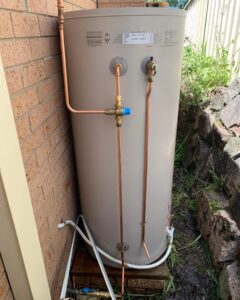
While many gas leaks develop gradually, others appear without warning after storms, accidental excavation, or damage to gas fittings. In these situations, acting quickly helps protect both people and property.
Everything appears routine until an excavator clips an underground gas pipe. Within minutes, a faint smell begins spreading across the property, forcing work to stop while neighbouring properties are checked for safety. In situations like these, every minute matters.
If you suspect a serious leak:
- Turn off the gas supply if it is safe to do so.
- Leave the affected area immediately.
- Keep everyone away from the suspected leak.
- Avoid using electrical switches, vehicles, or open flames nearby.
- Contact an emergency gas plumber Belmont without delay.
Quick action protects people first while giving professionals the safest environment to isolate and repair the problem.
Residential And Commercial Leak Risks
No two gas systems operate exactly the same. A family home relies on gas very differently from a busy commercial kitchen or workshop, which is why inspection methods should match the property’s needs. Gas leak detection Belmont becomes even more valuable when inspection methods are tailored to the way a property operates.
| Property Type | Common Leak Risks | Why Regular Inspections Matter |
| Residential homes | Cooktops, heaters, hot water systems, outdoor BBQs | Protect families, improve efficiency, and prevent hidden leaks. |
| Cafés and restaurants | Commercial kitchens, ovens, gas cooktops | Reduce downtime during busy trading periods. |
| Offices and retail stores | Internal heating systems, appliance connections | Maintain a safe environment for employees and visitors. |
| Workshops and industrial facilities | Gas-powered equipment, plant rooms | Detect pressure loss before productivity is affected. |
The difference becomes clearer when you compare how homes and businesses use gas every day. A homeowner notices the hot water taking an extra minute each morning but assumes winter weather is responsible.
Across town, a bakery experiences slightly uneven oven temperatures during the busiest part of the day. Bakers begin adjusting cooking times without realising the ovens are receiving inconsistent gas pressure rather than producing uneven heat.
Neither property experiences an emergency. Yet both benefit from early intervention because residential gas leak detection and commercial gas leak detection identify developing issues before they affect safety, comfort, or business performance.
Gas Safety Inspection Belmont Protects Tomorrow
A gas system can appear to work perfectly while hidden wear continues behind walls, beneath driveways, or around outdoor connections. That’s why routine gas safety inspection Belmont services focus on more than just appliances. It evaluates the condition of pipework, valves, regulators, fittings, ventilation, and overall gas pressure to build a complete picture of system health.
This approach is particularly valuable in Belmont, where established homes share the suburb with newly built developments. Older properties may contain ageing gas infrastructure, while newer homes increasingly include outdoor entertaining areas, gas fireplaces, continuous-flow hot water systems, and premium kitchen appliances. Every additional gas connection creates another point that deserves professional assessment over time.
Rather than waiting for obvious warning signs, many homeowners now include gas leak detection as part of their regular property maintenance, just like servicing air conditioning systems or scheduling electrical safety checks. Businesses are adopting the same mindset because uninterrupted operations begin with reliable infrastructure.
All gas installations, servicing, and repairs should be carried out by a licensed gas fitter in accordance with AS/NZS 5601 – Gas Installations, helping ensure gas systems remain safe, compliant, and suitable for residential and commercial use across Australia.
Conclusion
A gas leak rarely announces itself with a major emergency. More often, it begins with small changes that are easy to overlook during a busy week. Paying attention to those early signs and arranging professional gas leak detection helps protect your home, your business, and the people who rely on them every day.
Whether you own a family home, manage a café, operate a warehouse, or oversee a commercial building in Belmont, early action is always the safest investment. Contact PlumbLec today to arrange professional detection, inspections, or repairs and keep your property operating safely with confidence.
Frequently Asked Questions
1. How do I know if my property needs a gas leak inspection?
You don’t have to wait for a strong gas smell. Slower appliance performance, higher gas bills, irregular burner flames, or recent renovations can all indicate it’s time for a professional inspection. Gas leak detection helps identify hidden issues even when everything appears to be working normally.
2. Can weather conditions contribute to gas leak detection?
Yes. Belmont’s changing weather, seasonal rainfall, soil movement, and coastal humidity can gradually affect exposed fittings and underground gas infrastructure. While weather alone doesn’t cause every leak, these conditions can accelerate wear on ageing gas systems.
3. Are commercial properties inspected differently from homes?
Yes. Commercial properties usually operate multiple appliances for longer periods and often require broader testing of gas pressure, pipework, and equipment. Gas leak detection is tailored to the property’s size, operational demands, and level of gas usage.
4. Should I arrange gas leak detection after renovating my home?
Absolutely. Renovations involving kitchens, outdoor entertaining areas, landscaping, or new gas appliances can affect existing gas connections. A professional inspection confirms the entire system remains safe and operating correctly before regular use resumes.
5. What happens during professional gas leak detection?
Technicians use specialised electronic equipment and pressure-testing methods to locate hidden leaks without unnecessary damage to your property. They assess pipework, fittings, appliance connections, and overall system performance before recommending the safest repair solution if required.
6. Why is preventative gas maintenance becoming more common?
Many homeowners and businesses now prioritise preventative maintenance because it helps reduce emergency repairs, improves appliance efficiency, protects occupants, and extends the life of gas systems. Combining routine servicing with gas leak detection allows small issues to be identified before they become major faults.