
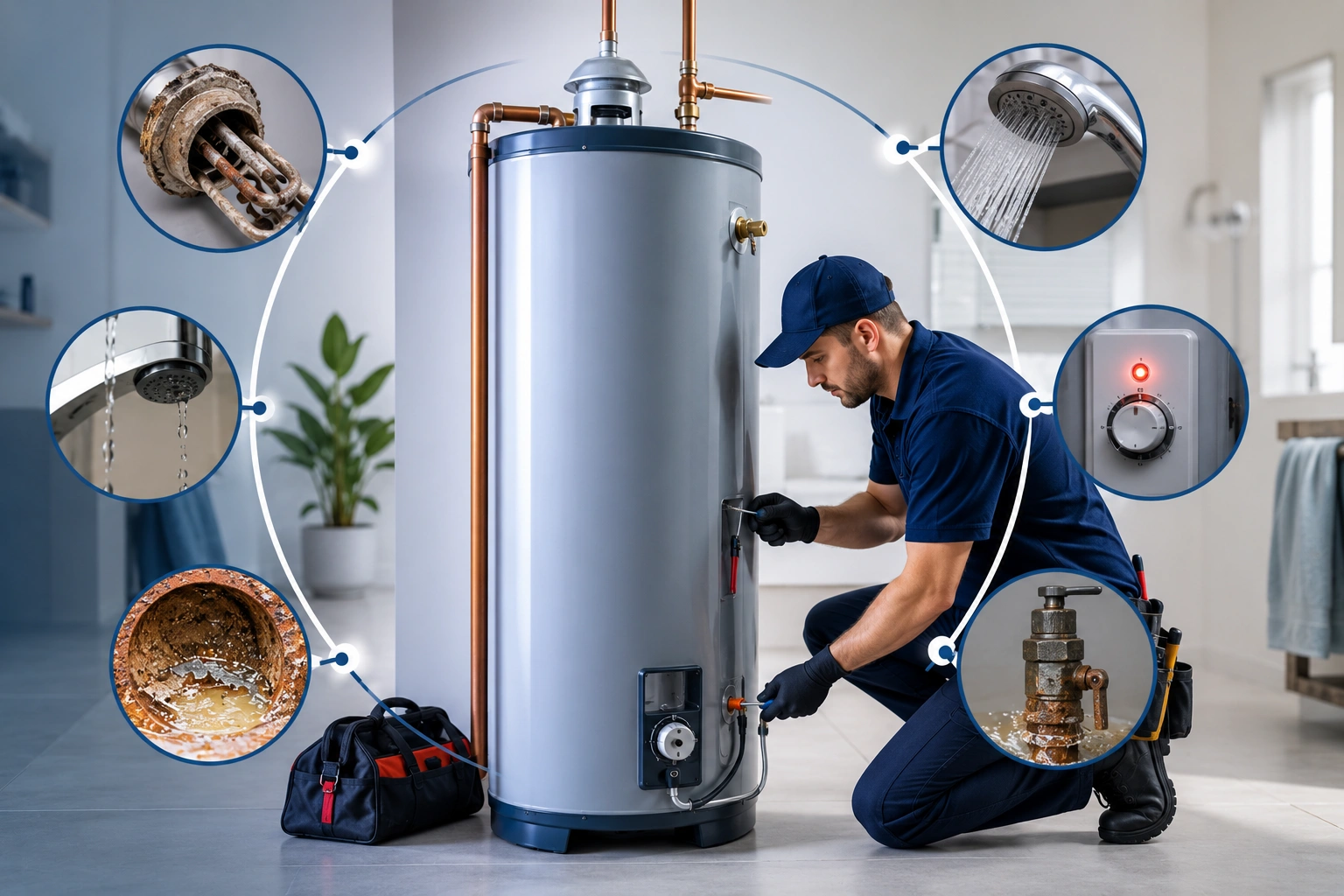
Hot water problems rarely show up at a convenient time. A system runs fine for months, sometimes years, and then suddenly starts acting strange, with temperature swings, odd noises, or just no hot water at all.
Across residential jobs, patterns repeat more than expected. Systems installed during a bathroom renovation or tied into a recent appliance installation often face uneven loads. Add in overlooked maintenance, and things start to wear faster than they should. The result is not always a complete failure but a gradual decline that makes daily use frustrating.
There’s also a tendency to assume every issue needs replacement. That’s not always accurate. Many situations only require targeted hot water system repair, but the timing matters. Leave it too long, and a minor fix turns into a costly overhaul involving both plumbing services and electrical services, sometimes at the same time.
Early warning signs homeowners often ignore first
A system usually gives subtle hints before things break down completely. Water that takes longer to heat, pressure that feels slightly off, or a faint metallic smell none of these seem urgent on their own. But they rarely stay minor for long, especially in systems that haven’t been serviced in years.
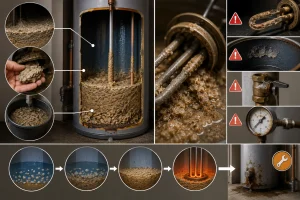
A lot of people just tune out the noises their tank makes, but that low rumble or the occasional pop is usually sediment building up at the bottom. It’s not just harmless background noise; it’s a sign your system is struggling to heat through a layer of sludge. That extra strain is exactly what leads to a hot water system repair much sooner than you’d like.
Another pattern seen frequently is homeowners adjusting thermostats to compensate for poor performance. It feels like a quick fix, but it masks the underlying issue. In electric systems, this can even lead to strain on components, eventually requiring both electrical services and a proper hot water system repair to stabilize the unit again.
How sediment buildup quietly damages internal parts
Sediment is one of the least discussed but most consistent causes of system trouble, often necessitating a hot water system repair if left unmanaged. Minerals settle at the bottom of the tank over time, forming a dense layer that interferes with heat transfer, and the system starts using more energy just to achieve the same result.
When we open up a tank that hasn’t been touched in years, we often find deposits that have hardened almost like rock. At that point, a simple flush usually isn’t enough. It might buy you a little time, but the internal parts are already cooked, making a more serious hot water system repair pretty much inevitable.
The real cost isn’t just efficiency loss. Heating elements can overheat, tank linings can weaken, and pressure valves may start acting unpredictably. This is where many assume the system has suddenly failed, when in reality, it has been degrading for a long time without intervention.
Cost breakdown for typical repair scenarios
Understanding costs helps avoid surprises. Here’s a general breakdown:
Issue Type | Estimated Cost (AUD) |
Thermostat replacement | $150 – $300 |
Heating element repair | $200 – $400 |
| Tank flush and maintenance | $100 – $250 |
Leak repair | $200 – $600 |
| Full system replacement | $1,500 – $5,000 |
Electrical faults are behind the inconsistent water heating
Electric systems add another layer of frustration because electrical faults can be so hit-or-miss; they’ll work perfectly one day and then give you a cold shower the next, which is why a professional hot water system repair is essential for a proper diagnosis.
Faulty thermostats and worn heating elements are common culprits. In several cases, systems tied into broader hot water system repairs/upgrades, like air conditioning installation or new circuit loads, experience voltage fluctuations. These small inconsistencies gradually affect performance and increase the need for hot water system repair.
Safety is the big one people overlook. If your circuit breaker keeps tripping, don’t just keep flipping it back on. At that stage, you’re looking at more than just a plumbing fix; you need a hand from both electrical services and plumbing services to make sure the wiring hasn’t degraded.
Why quick fixes sometimes create bigger problems later
Look, band-aid fixes have their place, but they always come with a catch. Just resetting the system or swapping out one part without finding out why it failed might get you through the week, but it rarely solves the actual problem.
I see it all the time: someone swaps a thermostat but doesn’t check the sediment levels. The hot water comes back, but the system is still choking on sludge. A few months later, the same issue returns, only this time it’s worse and requires a much bigger hot water system repair than the first time around.
There’s also a real risk of one fault leading to another. A minor leak that’s been patched can let corrosion spread quietly inside the tank. By the time you notice it again, the damage is so bad that the system might be past the point of a practical hot water system repair.
Cost implications of delayed maintenance decisions
Delaying maintenance often feels like saving money in the short term. In reality, it tends to shift costs into a larger, less manageable expense later. Small servicing tasks are relatively inexpensive compared to full system repairs or replacements.
In Belmont properties, it’s not unusual to see systems neglected for years until a major failure occurs. At that stage, the repair involves multiple components: tank, valves, and sometimes electrical rewiring. The total cost of hot water system repair increases significantly compared to routine servicing.
There’s also an operational cost that doesn’t get enough attention. Inefficient systems consume more energy. Over time, higher utility bills quietly add up, often exceeding the cost of preventive maintenance. It’s a hidden expense that rarely gets factored into decision-making.
Quick Fixes for Common Issues
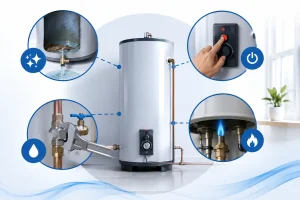
Some hot water problems can be addressed immediately, even before professional help arrives:
- Flush the Tank: Removing sediment build-up restores efficiency.
- Reset the System: Electric units often have reset buttons to restore normal function.
- Check the pilot light: gas systems may require relighting or minor adjustments.
- Inspect Connections: Tightening loose fittings and valves can prevent leaks.
These small interventions can extend the life of the system and reduce the need for emergency plumber or electrician visits.
Real scenarios from Belmont homes and repairs
We often see issues right after a bathroom renovation. You’ve got these great new fixtures, but the old hot water unit wasn’t upgraded to keep up with the new demand. That extra strain eventually leads to a breakdown and an unscheduled hot water system repair.
Another example comes from properties with combined upgrades, appliance installation alongside air conditioning installation. The electrical load changes, and the hot water system becomes one of the first to show instability. Heating cycles become irregular, and faults start appearing.
Older Belmont homes have their own set of challenges. A lot of these units are running well past their use-by date. You can still fix them, but you start hitting diminishing returns. Eventually, you have to ask if spending more on another hot water system repair is worth it compared to just getting a new, efficient unit.
Choosing between repair and full system replacement
Choosing between a fix and a replacement isn’t always a clear-cut decision. If a system is still working but needs a technician out every few months, you’re basically just chasing temporary solutions with every hot water system repair.
Age is a huge factor. Once a system hits that 10-to-15-year mark, it’s going to start acting up. Even after a repair, it’s never going to be as efficient as it once was. That’s usually when a replacement starts to make more financial sense, even with the higher cost upfront.
On the flip side, a new unit isn’t always the perfect answer either. You have to factor in the installation, the plumbing compatibility, and the electrical needs. Sometimes, a smart, targeted hot water system repair is enough to get you another year or two until a full replacement fits the budget better.
Preventative habits that extend system lifespan
Maintenance doesn’t have to be a big production, but you do have to be consistent. Just doing a regular flush and checking the valves can stop a major failure in its tracks. These little habits are what keep you from needing a hot water system repair in the first place.
People often miss the subtle changes, a slight drop in temperature or a tiny damp patch. Catching those early is the difference between a cheap fix and a massive repair bill. It’s really about paying attention at the right time.
Keeping your plumbing services and electrical services in sync is vital. These systems rely on both, and if you ignore the electrical side, it’s eventually going to ruin the plumbing side (and vice versa). A little bit of balanced oversight saves a lot of headaches.
Conclusion
A hot water system repair is about more than just getting back into a warm shower; it’s about safety and efficiency. If you catch things early, you can avoid those surprise cold mornings and keep your system running smoothly for years to come.
For fast, reliable help, give us a shout today to book an inspection or a fix. We make sure Belmont families can have their morning showers without any stress. Don’t wait until the water goes cold; get a quote today for a hassle-free solution.
Frequently Asked Questions
1. How often should a hot water system be serviced?
A quick pro check-up once a year is the sweet spot. It stops the sludge from building up, finds the leaks before they become disasters, and makes sure your valves are actually working, which keeps you away from a midnight emergency electrician hot water system repair.
2. Can a leaking hot water tank be repaired?
You can usually fix a minor leak by swapping a valve. But if the tank itself is corroding or cracked, you’re looking at a replacement. Talking to plumbing services is the best way to figure out the safest, most cost-effective move.
3. Why is my hot water inconsistent?
If your water temp is all over the place, it’s usually a thermostat, a dying element, or too much sediment. A timely hot water system repair is all it takes to get that consistency back.
4. Is it safe to attempt DIY hot water repairs?
You can handle the basics yourself, like a tank flush or a reset. But for anything involving gas or wiring, you absolutely have to leave that to licensed electrical services or a pro electrician. It’s just not worth the risk.
5. How long does a hot water system last?
Generally, electric units last about 10–12 years, gas units about 8–10, and solar can go up to 15 years. If you stay on top of the maintenance and the small repairs, you can push those numbers and avoid a sudden failure.