

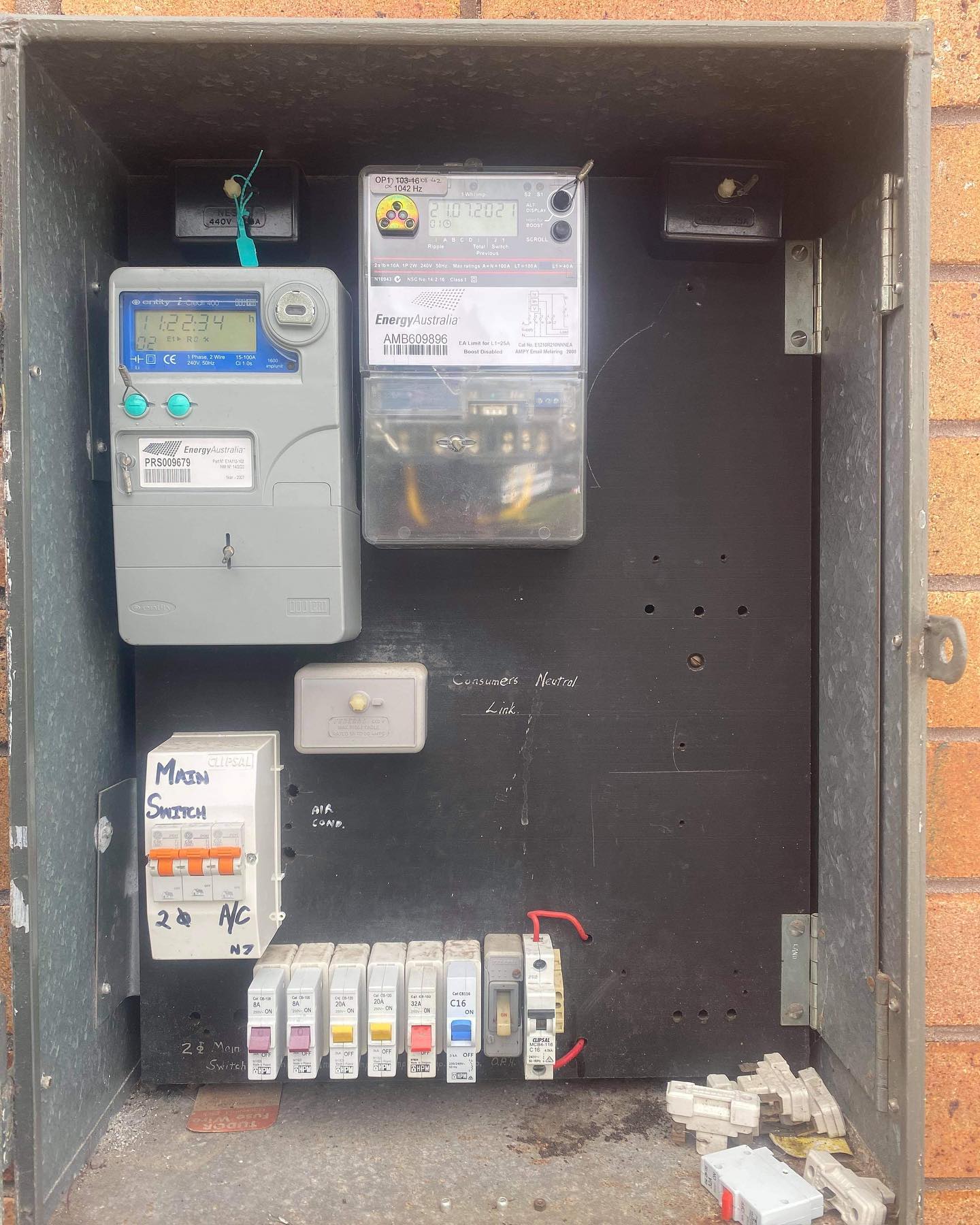
Knowing what most electricians charge per hour can save you from unexpected bills and help plan your home or commercial electrical work efficiently. In 2026, rates vary depending on experience, location, and job complexity, but understanding the factors influencing these costs will give you control over your budget. Plumblec Pty Ltd has extensive experience across Australian households and commercial projects and shares realistic insights for your next electrical job.
Average Hourly Rates for Electricians Across Australia
Electrician rates in Australia fluctuate based on your location, the electrician’s skill level, and whether it’s residential or commercial work. Generally, standard hourly rates for licensed electricians range from $75 to $120 per hour, with metropolitan areas tending to be higher. Emergency or after-hours work can cost $150–$200 per hour, reflecting the urgency and additional risks involved.
Other factors impacting the rate include:
- Experience and qualifications: Master electricians charge more than apprentices or junior tradespeople.
- Travel and accessibility: Jobs in remote areas often carry a travel fee.
- Specialised work: Electrical installations involving high voltage, solar panels, or automation may incur premium charges.
These figures represent a realistic starting point to evaluate quotes from multiple service providers. Plumblec Pty Ltd ensures transparent pricing, so you know what to expect before any work begins.
Common Factors That Affect Your Electrician’s Charge
Understanding why rates differ helps you make informed decisions. Here are the main drivers behind electrician costs in Australia:
- Scope of Work: Simple repairs like changing a switch cost less than full rewiring or installing complex lighting systems.
- Time of Service: Weekend or emergency jobs are priced higher than standard weekday work.
- Materials and Equipment: Some electricians include materials in the hourly rate, while others bill separately.
- Licensing and Certification: Fully licensed electricians with specialised certifications may charge more, but they ensure compliance with Australian standards like AS/NZS 3000.
Planning ahead and clarifying the scope of work can significantly reduce surprises when the invoice arrives.
Tips to Save on Hourly Electrician Costs
Even with standard rates, you can optimise costs without compromising safety or quality. Consider these strategies:
- Combine multiple small tasks into one visit to reduce call-out fees.
- Ask for a clear breakdown of hourly rates versus materials.
- Schedule non-urgent work during regular business hours rather than emergency periods.
- Compare quotes from licensed electricians and verify experience relevant to your project.
Plumblec Pty Ltd emphasises upfront quotes and transparent billing, helping you plan both small repairs and larger installations confidently.
When to Call a Professional
While some minor electrical fixes may seem manageable as DIY projects, unsafe handling of electricity can cause serious harm. Call a licensed electrician in Australia when:
- You face frequent power trips or outages.
- You need rewiring, circuit upgrades, or installation of major appliances.
- There are visible signs of electrical damage, like burnt outlets or sparking.
- You are installing high-voltage systems, solar panels, or security systems.
Plumblec Pty Ltd provides safe, fully compliant electrical services, ensuring your home or business meets all regulatory requirements.
Conclusion
Knowing what most electricians charge per hour helps you budget for both residential and commercial electrical work. Rates depend on experience, location, and job complexity, with typical hourly costs ranging from $75 to $120, and higher for emergencies or specialised tasks. For reliable, compliant, and fairly priced services, Plumblec Pty Ltd can guide you through your next electrical project, ensuring peace of mind and transparent billing.
FAQ
Q1: What is the average rate for a licensed electrician in Australia?
A: Generally between $75 and $120 per hour for standard work, depending on location and experience.
Q2: Do emergency call-outs cost more?
A: Yes, after-hours or urgent jobs can cost $150–$200 per hour.
Q3: How can I save on electrician costs?
A: Combine multiple tasks, schedule work during regular hours, and ask for transparent quotes including materials.
Q4: Is it safe to do electrical work myself?
A: DIY is risky; always call a licensed electrician for rewiring, high-voltage work, or any system modifications.