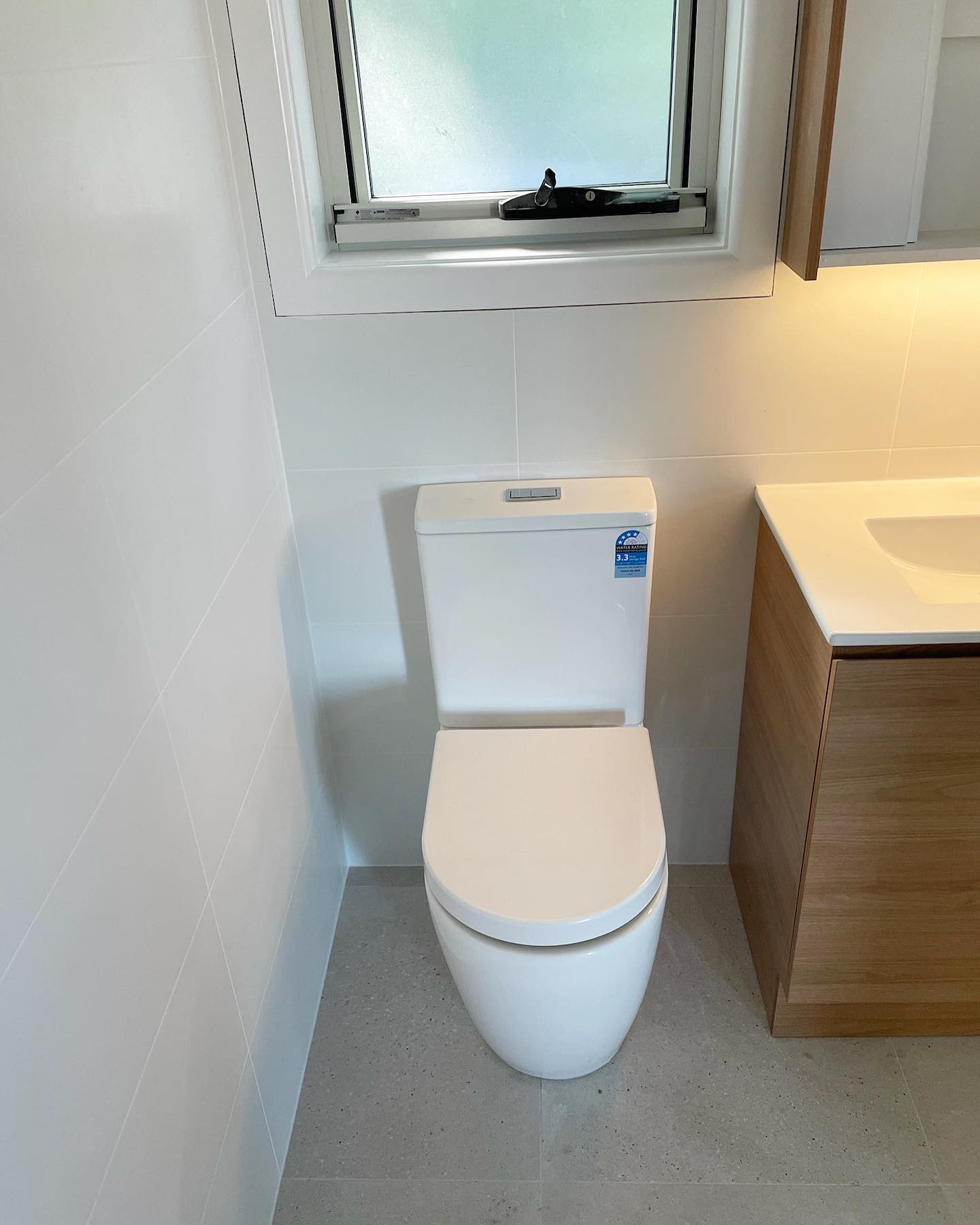
If you’ve ever flushed your toilet only to find it slowly draining or overflowing, you’re not alone. Why is my toilet constantly getting blocked is one of the most common plumbing questions homeowners face in Australia. Understanding the causes can save you time, frustration, and potential damage to your bathroom.
Blocked toilets are often caused by everyday items being flushed or build-ups over time. Common culprits include excessive toilet paper, wet wipes, sanitary products, or foreign objects accidentally dropped in. Even small accumulations can create stubborn blockages that affect your entire plumbing system.
At Plumblec Pty Ltd, we see many households struggling with recurring blockages. Knowing what triggers these issues allows you to prevent them before they become serious. Simple adjustments, like using less paper and avoiding flushing non-degradable items, often make a huge difference.
Common Causes of a Constantly Blocked Toilet
Understanding the root of your toilet problems helps you fix them efficiently. Common causes include:
- Excessive Toilet Paper – Using too much can overwhelm the drain and create clogs.
- Foreign Objects – Toys, wipes, or sanitary items can lodge in the trap or pipes.
- Low-Flow Toilets – Older or water-saving models may struggle to move waste effectively.
- Pipe Build-Up – Grease, soap scum, or mineral deposits can narrow pipes over time.
- Tree Root Intrusion – In some older homes, roots can enter sewer lines, causing recurring blockages.
Being aware of these can help you identify whether the issue is simple to manage or requires professional intervention.
DIY Tips to Prevent Toilet Blockages
You can take several steps to reduce the frequency of toilet clogs without calling a plumber:
- Use Moderate Toilet Paper – Less is more; use paper sparingly.
- Avoid Flushing Non-Degradable Items – Keep wipes, sanitary products, and small objects out of the toilet.
- Regular Maintenance – Pouring hot water or using a plunger occasionally can clear minor clogs.
- Check the Flush Mechanism – Ensure your cistern is delivering enough water to fully clear the bowl.
- Enzyme Cleaners – Safe, biodegradable products can help break down organic waste in pipes.
These simple measures can prevent minor issues from escalating and maintain smooth-flowing plumbing in your home.
When to Call a Professional
While DIY solutions work for many household blockages, some issues require professional expertise. Call Plumblec Pty Ltd if you notice:
- Frequent or recurring blockages despite preventive measures.
- Slow draining in multiple fixtures, indicating a main sewer line problem.
- Unusual noises or foul odours from pipes, suggesting deeper obstructions.
- Any blockage involving foreign objects or potential damage to pipes.
Our licensed plumbers in Australia can quickly diagnose the cause and apply safe, long-term solutions to keep your toilet and plumbing system fully operational.
Conclusion
Toilets can become blocked for a variety of reasons, from everyday misuse to hidden pipe issues. Knowing why your toilet constantly gets blocked and taking proactive steps helps you maintain a smooth-running bathroom. For persistent problems, Plumblec Pty Ltd provides expert assessment and repair to restore peace of mind and prevent future blockages.
FAQ
Q1: Can flushing wet wipes cause toilet blockages?
Yes, wet wipes do not break down like toilet paper and can accumulate in pipes, causing recurring blockages.
Q2: How often should I check my toilet for blockages?
Regular inspection every few months and prompt attention to slow drains can prevent major problems.
Q3: Are low-flow toilets more prone to clogging?
Some older or low-flush models may not move waste effectively, increasing the risk of blockages if used improperly.
Q4: Can tree roots really block my toilet?
Yes, roots can enter sewer lines in older properties, causing slow drainage and repeated blockages, often requiring professional clearing.